Link to article
Frankenbrew: Going Pro on the Cheap
Many homebrewers dream about going pro, but decide against it after seeing the price of a turnkey brewing system. There is, however, another way.
Peruse pairings, learn how to make beer, cider, mead, kombucha, and other alternative fermentations, get DIY tutorials, and much more in our archives.
Many homebrewers dream about going pro, but decide against it after seeing the price of a turnkey brewing system. There is, however, another way.
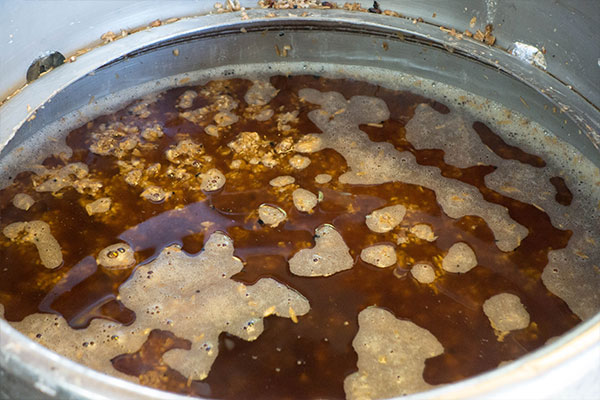
The big, delicious sipping beer with a warming and lingering alcohol glow makes it ideal for relaxing in front of a crackling fire on a dark winter’s evening.
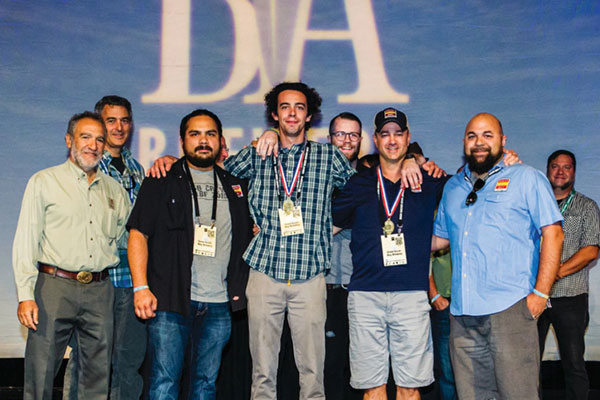
The 91 beers judged in the 2015 GABF Pro-Am Competition all began life in kitchens, garages, and backyards around the country. Three of them got their time on the big stage.

Nearly 8,000 beers were entered into the 2016 National Homebrew Competition. Judges selected these 31 gold-medal recipes as the best of the best, and now the winners share them with you.

New and Unique gifts for the homebrewer on your list (or for your wish list).
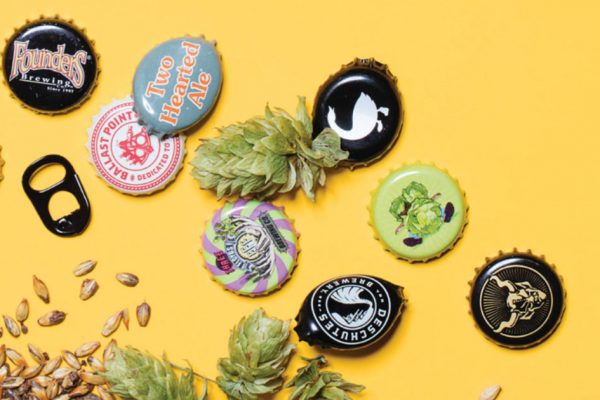
For the 14th year in a row, Zymurgy readers have voted for their favorite beers, and the results are in. Who came out on top this time? Plus, clone recipes […]
Session beer is quick to brew, fast to ferment, and great for quaffing in thirst-quenching quantities. Learn why so many homebrewers are turning to low-alcohol libations.
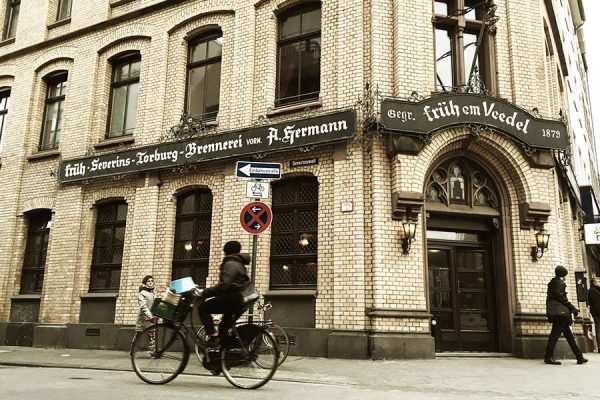
By Jared Long and Bon Hall One of the best ways to improve your brewing is to taste a lot of beer. But just going to the local liquor store […]
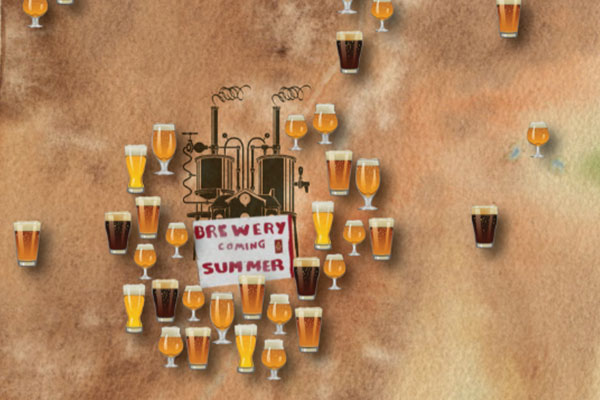
Two Albuquerque homebrewers wanted to build a space to brew and serve their guests’ recipes. But getting the brewery off the ground has taken a whole community.
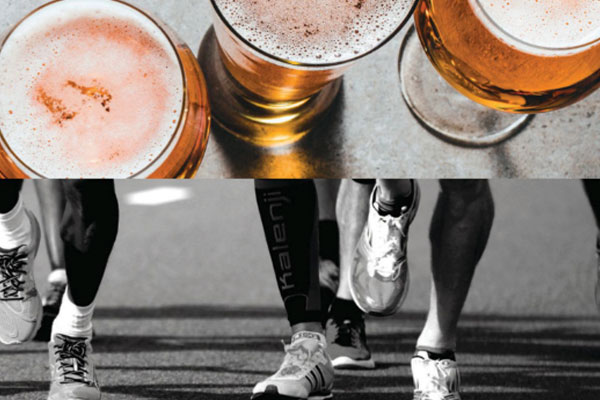
We’ve all had marathon brew days, but a select few pair their brew days with actual marathons. Meet the homebrewers for whom “beer run” means something else entirely.
Share Post