Braggot: The Best of Mead and Beer
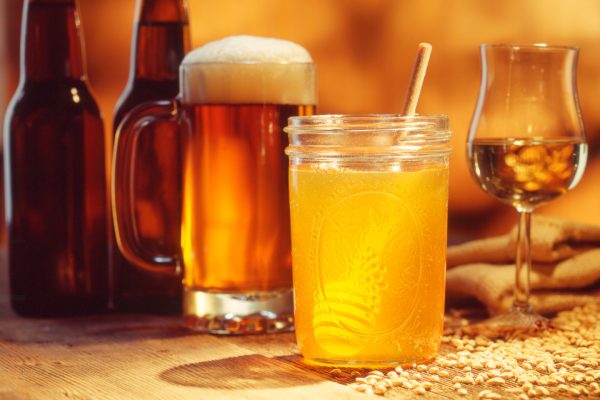
Braggot: The Best of Mead and Beer
Braggot brings together the best of mead and beer, using honey and beer ingredients to create a unique beverage.
Peruse pairings, learn how to make beer, cider, mead, kombucha, and other alternative fermentations, get DIY tutorials, and much more in our archives.
Braggot brings together the best of mead and beer, using honey and beer ingredients to create a unique beverage.
Mash grains for 60 minutes at 153-155* F. Collect wort and bring to boil. If using hops, add them to the boil kettle at the start of the 60 minute boil. Rack to primary and pitch your favorite alcohol-tolerant English…
Mash grains at 156°F (69°C) for 60 minutes. Mash out at 168°F (76°C). Primary fermentation for 20 days at 60°F (15°C) in stainless steel. Secondary fermentation for 60 days at 40°F (5°C) in stainless steel. …
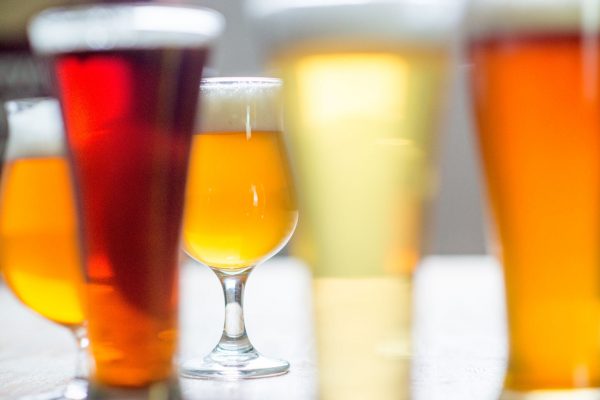
Bottling catches a lot of flack, especially from the die-hard keggers out there. Sure, preparing and filling a few cases of bottles is more labor-intensive than racking to a single keg, but packaging homebrew in bottles also has its benefits. For one…
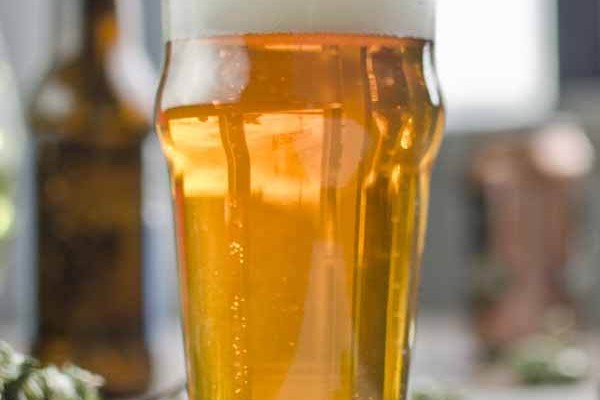
Mash at 152-154°F (67-68°C) for 60 minutes.
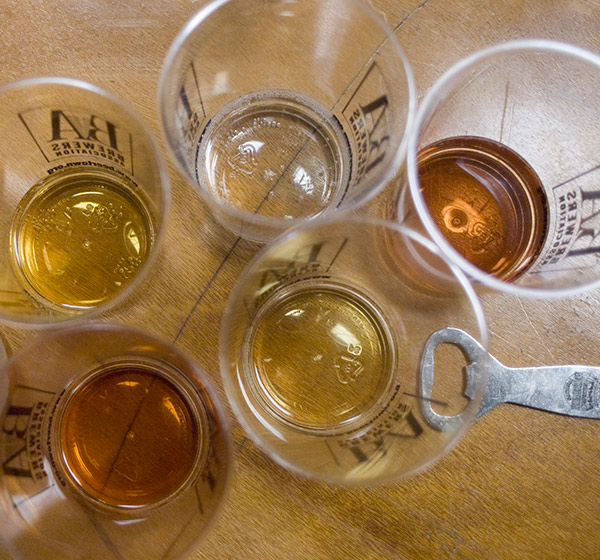
For the first time since 2008, the Beer Judge Certification Program (BJCP) has issued an updated edition of the beer, mead and cider guidelines. From the introduction to the BJCP 2015 Style Guidelines: The 2015 BJCP Style Guidelines are a major…
Malt extract is quite a powerful homebrewing ingredient, especially for beginners, as it takes out some of the variables like hitting mash temperatures and volumes. While more seasoned homebrewers can use it to supplement sugars in a "big" brew or help…
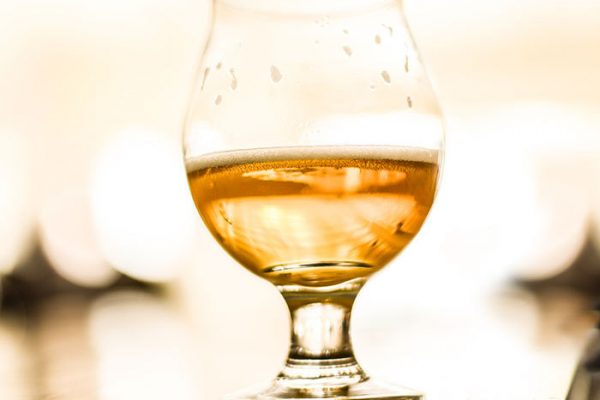
Mash at a lower temperature 148-150°F (64-66°C). Souring: After the mash, bring the wort to a boil, then cool to 100°F (38°C). Inoculate using either a commercial culture of Lactobacillus or a homemade sour starter (see below) culture as describe…

Discussions about water can get complicated fast, especially if you aren't familiar with hydrology. But there are a few basics that specifically apply to the homebrewer, which can set the foundation for further exploration into the realm of brewing water. Let's take…
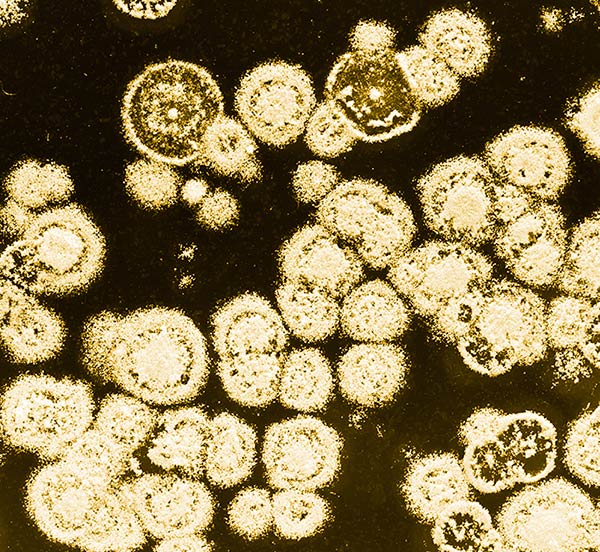
If you like sour beers, you’ve probably heard long, complicated yeast and bacteria names thrown around. They’re hard to spell, even harder to pronounce and can be down-right confusing to differentiate from one another. Many often refer to these bacteria and yeast…
Share Post