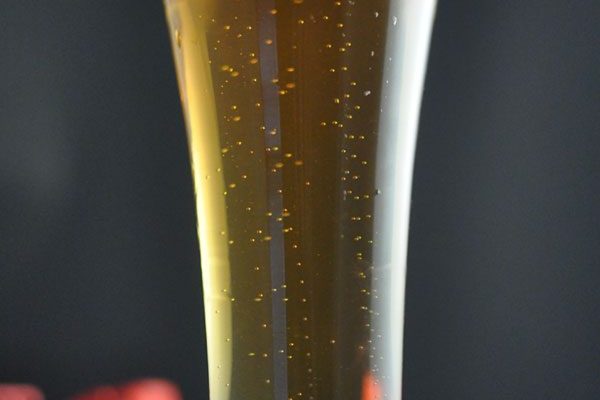
To brew this Bohemian Pilsner recipe, mash in at 148°F (64°C) with 1.5 quarts/pound of grain. Heat to 161°F (72°C) and rest for 20 minutes. Heat to 170°F (77°C) and rest 15 minutes. Open ferment at 48°F (9°C) for…
Do you consider yourself a hop head? Are you in love with all things hoppy? Test out your hoppy chops with this week's Tuesday Beer Trivia! Hops are the small green cones that add bitterness, flavor and aroma to beer, offering a…
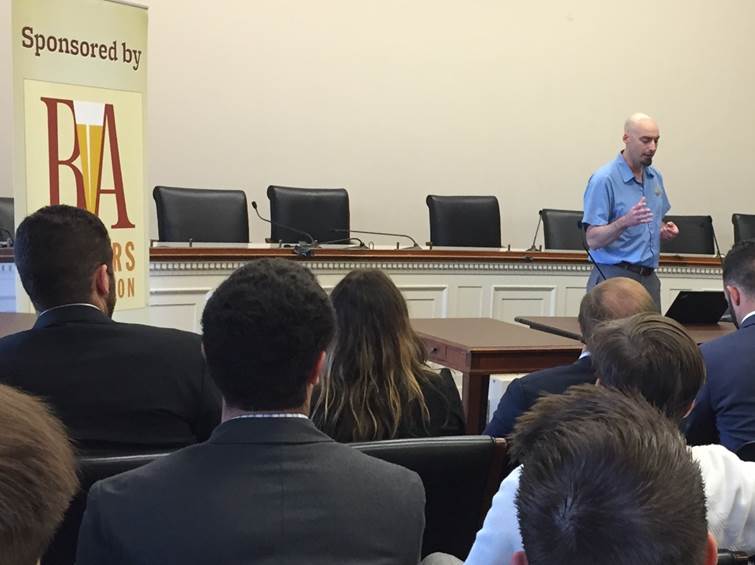
The following is an excerpt from AHA Director Gary Glass Presents To U.S. Small Brewers Caucus by Katie Marisic. The BA’s own Director of the American Homebrewers Association, Gary Glass came to Washington, D.C. to speak about homebrewing in…
To brew the Lagunitas Brown Shugga' clone, use carbon-filtered tap water. Adjust water with gypsum in mash. Single infusion mash at 155°F (68°C). Mash out at 168°F (76°C). Boil for 90 minutes. Whirlpool knockout (0 min) hops for 5 minutes…
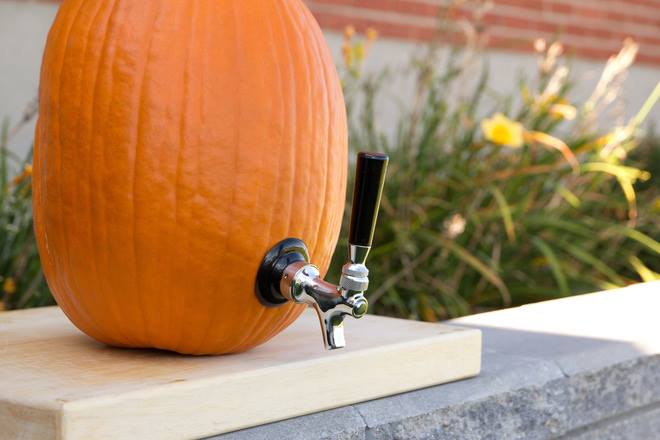
Bring your pumpkin beer obsession to the next level with pumpkin kegs! That's right. The same pumpkins you carve into spooky jack-o-lanterns can be modified to serve your homemade pumpkin beer. Not only will the unusual beer keg catch the eyes…
To brew this English Pale Ale (ESB) recipe, mash at 152°F (67°C) for 60 minutes. Boil for 60 minutes, following schedule. Primary fermentation at 68°F (20°C).
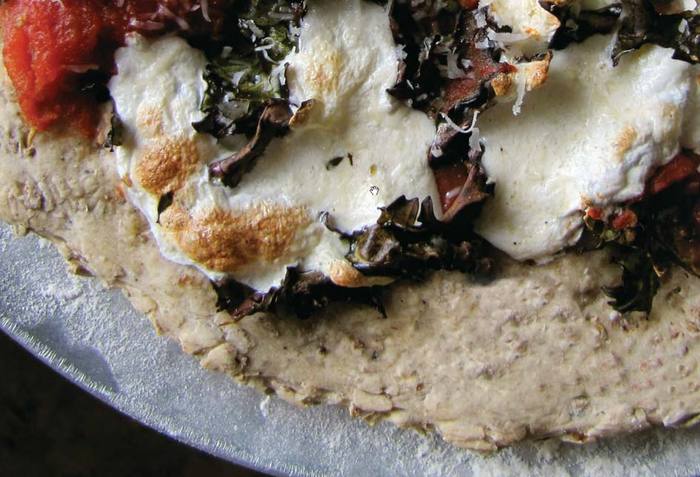
You're relaxing after a long day. What could be better than a hot slice of pizza and a cold homebrew? What if the pizza slice was homemade? And what if that homemade pizza was made from spent grain pizza dough? Where's the spent grain…
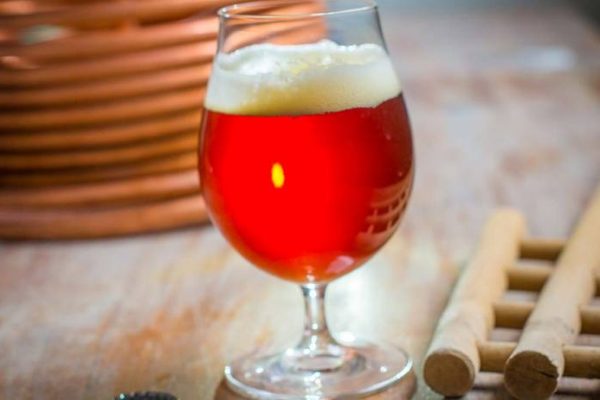
To brew the Delirium Oat Rosemary Pale Ale recipe, a step infusion mash is employed to mash the grains. Add 9.5 quarts (9 L) of 140°F (60°C) water to the crushed grain (but not the oatmeals and cup of pale…
Mash grains at 152° F (67° C). Boil for 75-90 minutes, adding the first hops so that they boil for 60 minutes and the second hops so they boil for 15 minutes. Pitch with an ample starter of…
To brew this milk stout pumpkin beer recipe, mash at 153°F (67°C) for 60 minutes. Batch sparge. Boil for 60 minutes, following boil schedule. Chop vanilla beans and scrape out the inside. Stuff collection in to a small jar…
This website uses cookies to enhance user experience and to analyze performance and traffic on our website. Not consenting or withdrawing consent may adversely affect certain features and functions.
Functional
Always active
The technical storage or access is strictly necessary for the legitimate purpose of enabling the use of a specific service explicitly requested by the subscriber or user, or for the sole purpose of carrying out the transmission of a communication over an electronic communications network.
Preferences
The technical storage or access is necessary for the legitimate purpose of storing preferences that are not requested by the subscriber or user.
Statistics
The technical storage or access that is used exclusively for statistical purposes.The technical storage or access that is used exclusively for anonymous statistical purposes. Without a subpoena, voluntary compliance on the part of your Internet Service Provider, or additional records from a third party, information stored or retrieved for this purpose alone cannot usually be used to identify you.
Marketing
The technical storage or access is required to create user profiles to send advertising, or to track the user on a website or across several websites for similar marketing purposes.


Share Post