We all have had an unwavering desire to act on the idea of the American Dream. We have a deep need as humans to do something we love, and do something that brings us pride and happiness. The dream doesn't come easy. It…
Good fermentation and happy yeast often comes down to temperature. Too cold and the yeast goes dormant, too hot and they indulge in an orgy of fermentation that's difficult to fix. You could submerge it in cold water and periodically…
"Holy Schnikes Batman - it's the first ever episode of Experimental Brewing with Denny and Drew." Denny Conn and Drew Beechum, authors of Experimental Brewing, have released the first audio podcast in their new series. Conn, a former American…
J.B. Zorn, who currently lives in Fairfax, Virginia, does it all. He has been on active duty in the U.S. Coast Guard for over seven years, has been homebrewing for nine years and medaled in a few competitions. He’s also…
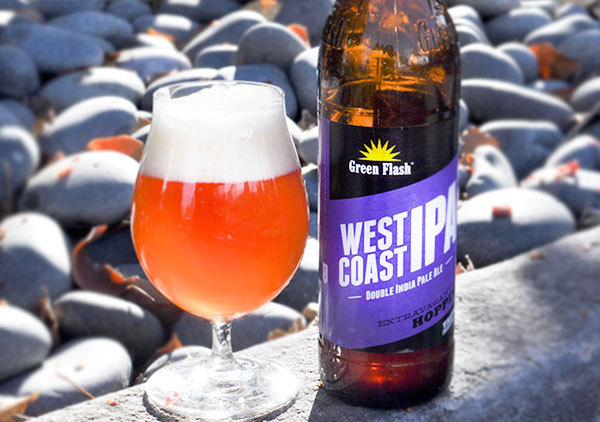
To brew Green Flash West Coast IPA, the water profile should be similar to Burton-Upon-Trent's, (find out more about water for homebrewing) but with roughly half the mineral content. Mash grains at 152°F (67°C) for one hour. Mash out…
Are you a history buff? Do you love beer? Test out your beer history IQ with this week's Tuesday Beer Trivia! Beer history dates back more than 7,000 years, and was most likely a beautiful accident, which (along with bread) helped…
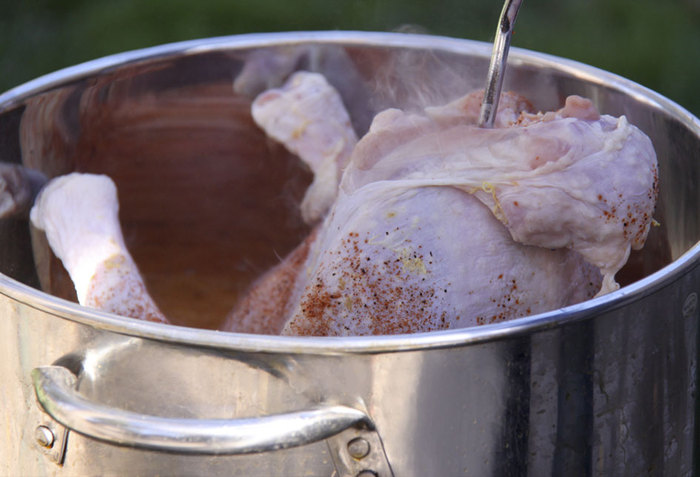
By John Moorhead, American Homebrewers Association As a homebrewer, you most likely have a large boiling kettle and a propane burner—or share them with a group that likes to brew. Normally these items are used for brew day, then carefully put away in…
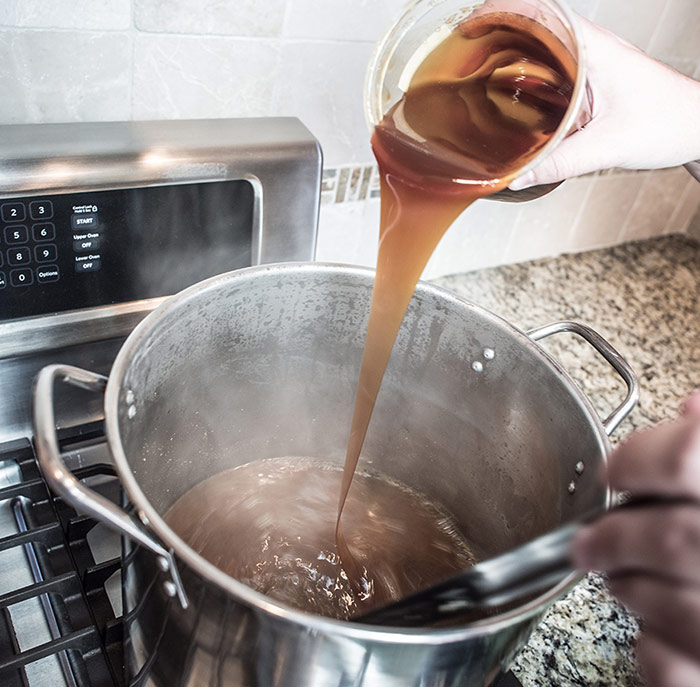
Brewing beer with extract often catches a lot of grief among the homebrewing community, but why? All-grain brewing is the process of making beer from grains. The malted grains are soaked in water at a specific temperature for a specific amount…
Homebrewers are a frugal, smart group. They build their own brewing rigs, grow their own ingredients and are always looking for ways to cut costs while not sacrificing quality. All of these innovative (and sometimes ingenious) ideas are wonderful for…
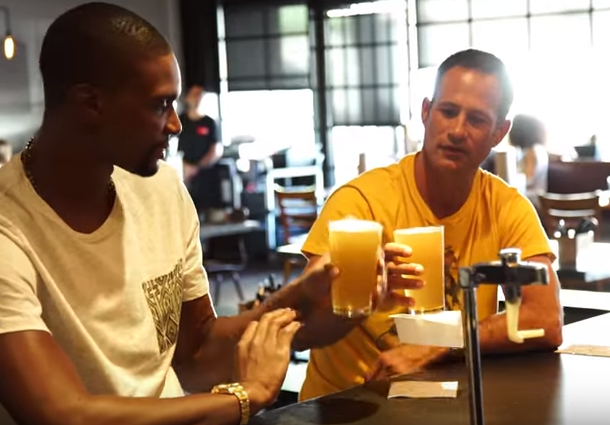
Dogfish Head founder, Sam Calagione, and 10-time NBA All-Star, Chris Bosh, teamed up to explore the beer and food scene in Los Angeles all while homebrewing a stout in the back of a stretch limo.…
This website uses cookies to enhance user experience and to analyze performance and traffic on our website. Not consenting or withdrawing consent may adversely affect certain features and functions.
Functional
Always active
The technical storage or access is strictly necessary for the legitimate purpose of enabling the use of a specific service explicitly requested by the subscriber or user, or for the sole purpose of carrying out the transmission of a communication over an electronic communications network.
Preferences
The technical storage or access is necessary for the legitimate purpose of storing preferences that are not requested by the subscriber or user.
Statistics
The technical storage or access that is used exclusively for statistical purposes.The technical storage or access that is used exclusively for anonymous statistical purposes. Without a subpoena, voluntary compliance on the part of your Internet Service Provider, or additional records from a third party, information stored or retrieved for this purpose alone cannot usually be used to identify you.
Marketing
The technical storage or access is required to create user profiles to send advertising, or to track the user on a website or across several websites for similar marketing purposes.






Share Post