Summer Rye
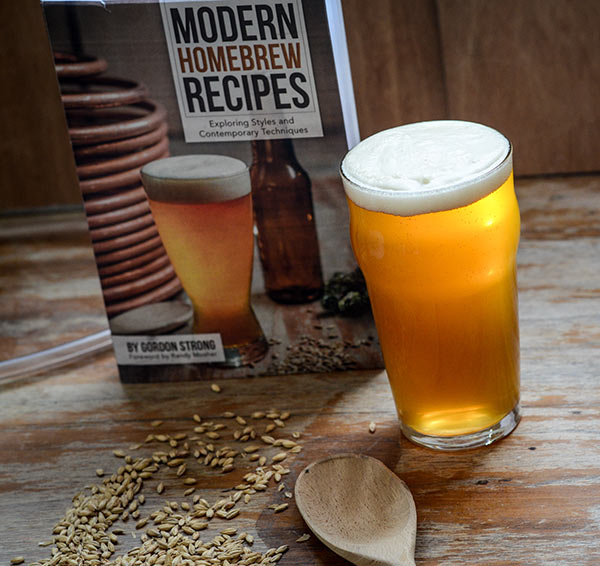
Summer Rye
Water Treatment Reverse Osmosis water treated with 1/4 tsp 10% phosphoric acid per 5 gallons. 1 tsp CaCl2 in mash. Mash 15 minutes at 131°F (55°C). 60 minutes at 151°F (66°C). Boil Length 90 minutes.…
Peruse pairings, learn how to make beer, cider, mead, kombucha, and other alternative fermentations, get DIY tutorials, and much more in our archives.
Water Treatment Reverse Osmosis water treated with 1/4 tsp 10% phosphoric acid per 5 gallons. 1 tsp CaCl2 in mash. Mash 15 minutes at 131°F (55°C). 60 minutes at 151°F (66°C). Boil Length 90 minutes.…
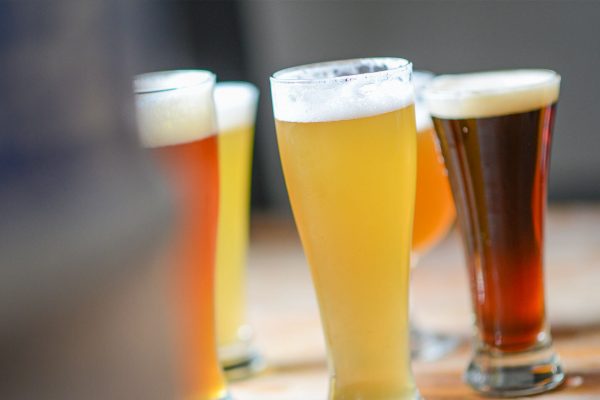
Each year we ask Zymurgy magazine readers to share a list of their 20 favorite beers that are commercially available in the United States. We've tallied the votes, and here are the results for the 2015 Best Beers in America survey, including Top…

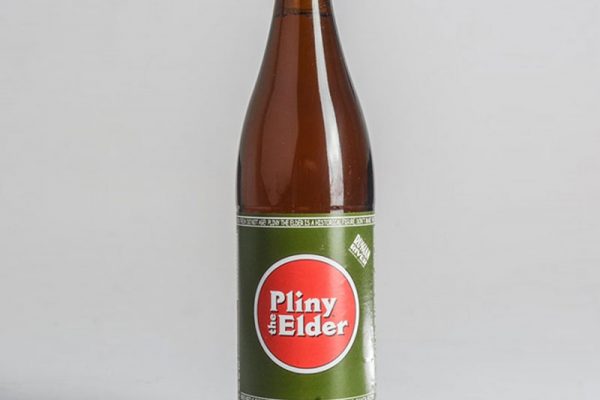
Note: This recipe is for a 6 gallon batch, with 5 gallons intended to remain after hop loss. To make this Pliny the Elder clone, mash grains at 151-152°F (66-67°C) for an hour or until starch conversion is complete.…
To create this Firestone Walker Wookey Jack clone, mash at 145-148°F (63-64°C) for 60 minutes. Increase to 155°F (68°C) for 10 minutes, then sparge. Boil for a total of 90 minutes. Ferment at 62°F (17°C) for 10 days.…
To make this Deschutes Black Butte Porter clone, mash grains at 153° F (67° C) for one hour. Mash out at 168° F (76° C). Boil for 90 minutes. Ferment at 65° F (18° C).
This Dogfish Head 90 Minute IPA Clone is created with a single infusion mash at 150°F (66°C) for 60 minutes. Boil for 90 minutes. Combine all of your kettle hops into one bowl, weigh out 0.2 ounces (5.6 grams)…

Each year, your American Homebrewers Association (AHA) Governing Committee selects a recipient for the AHA Governing Committee Recognition Award. First issued in 1988 to Fred Eckhardt, the award honors outstanding service to the community of homebrewers. We're excited to announce that the 2015 AHA…
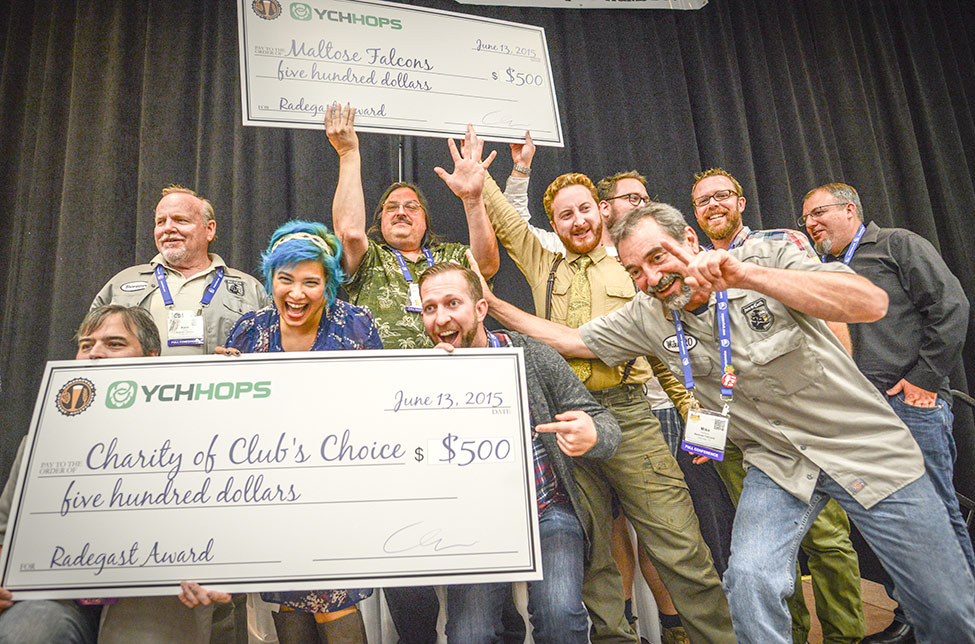
In 2014, the Radegast Club of the Year Award was established to honor a homebrew club not for its competitive prowess, but the effort its members make to use homebrewing as a tool to benefit their greater local community.…
By John Moorhead Those plants that are more important to the survival of man, or which have stimulating psychological effects upon him, are, in tribal and early Western societies, thought to incorporate a particularly powerful…
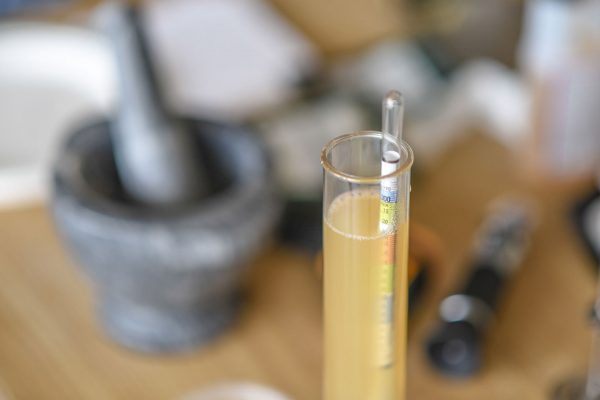
For more information on making mead, head over to our How to Brew Mead section! A “hot” area for debate in the mead making community is whether or not to treat the honey with heat as a means of pasteurization…
Share Post