
5 Recipes for Repurposing Spent Grain

5 Recipes for Repurposing Spent Grain
Spent grain is a brewing byproduct—grain that was used to make beer and is no longer needed after mashing or steeping.
Peruse pairings, learn how to make beer, cider, mead, kombucha, and other alternative fermentations, get DIY tutorials, and much more in our archives.
Spent grain is a brewing byproduct—grain that was used to make beer and is no longer needed after mashing or steeping.

Follow along the process of making this easy amber ale with our Easy Guide To Making Beer video! Steep the grains at 160° F (71° C) for 30 minutes. Conduct a 60 minute boil, following the hop additions…

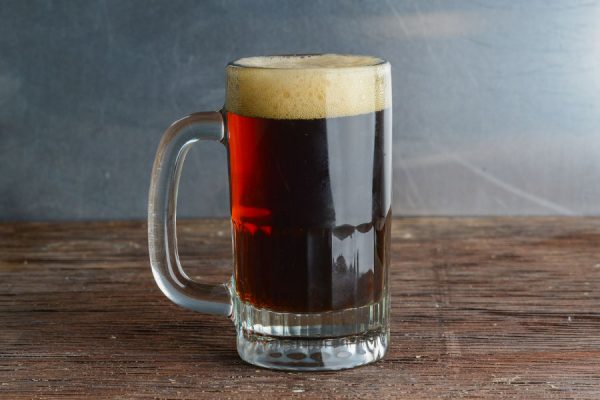
Lori Ertl of Plymouth, MN, member of the Primary Fermenters Brewers & Vintners, won a gold medal in Category #12: English Brown Ale during the 2017 National Homebrew Competition Final Round in Minneapolis, MN.

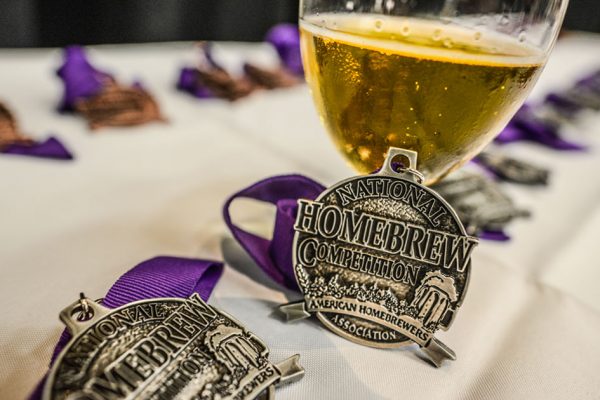

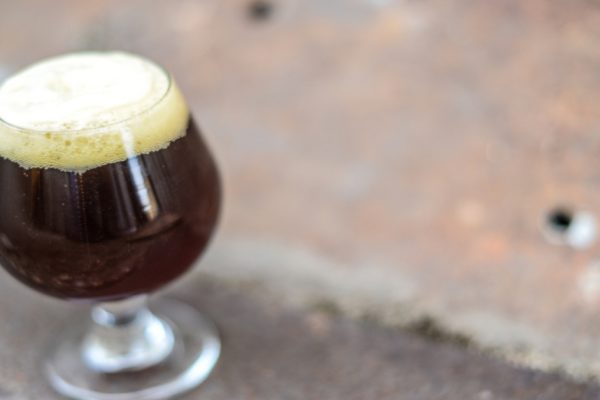
Mash grains at 152°F (67°C) for one hour. Ferment at 68°F (20°C) until terminal gravity is reached. Add dry hops in secondary and package after three weeks.

Grind unmalted wheat berries in malt mill until the consistency of grits; this takes approximately four passes through. If in need of aged hops, ask your local shop if they have any "expired" hops. They are also available through online…
By John Moorhead, American Homebrewers Association February 27, 2020 [Update for July 30, 2020: Senate Bill 7369 passed the Senate Floor on July 22, 2020. House bill 9063 currently sits in the…
February 28, 2020 By John Moorhead, American Homebrewers Association House Bill 4158 (H4158) provides that a person at least 21 years of age may manufacture alcoholic liquor for personal or family…

Soda making is an exciting yet simple pursuit, and it makes for a great non-alcoholic beverage that you can share with friends and family of all ages.
Share Post